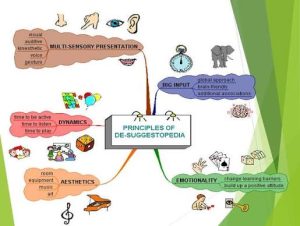
Pembelajaran bahasa Inggris di sekolah menengah Indonesia menghadapi tantangan kompleks yang mencakup rendahnya motivasi siswa, tingginya kecemasan berbahasa, serta keterbatasan kesempatan praktik komunikatif di luar kelas. Pendekatan tradisional yang masih dominan di banyak sekolah cenderung menekankan penguasaan struktur gramatikal dan hafalan kosakata, sehingga kemampuan komunikatif siswa sering tertinggal. Dua metode yang menawarkan alternatif menjanjikan adalah Suggestopedia dan Communicative Language Teaching (CLT). Suggestopedia, yang dikembangkan Georgi Lozanov, berfokus pada penciptaan suasana relaksasi dan sugesti positif untuk menurunkan hambatan afektif, sedangkan CLT menekankan penggunaan bahasa secara nyata untuk tujuan komunikasi. Integrasi atau penerapan paralel kedua metode ini di sekolah menengah Indonesia menjadi relevan karena dapat saling melengkapi: Suggestopedia menyediakan kondisi psikologis yang mendukung, sementara CLT memberikan kerangka praktik komunikatif yang autentik. Analisis terhadap potensi kolaborasi kedua pendekatan ini penting untuk merumuskan strategi pembelajaran yang lebih efektif dan sesuai dengan karakteristik siswa remaja di Indonesia.Secara teoretis, Suggestopedia dan CLT memiliki landasan yang berbeda namun saling mendukung. Suggestopedia berpijak pada prinsip bahwa kapasitas belajar manusia dapat ditingkatkan secara signifikan apabila rasa takut dan ketegangan diminimalisasi melalui musik, relaksasi, dan sugesti positif dari guru. Metode ini memanfaatkan keadaan relaksasi untuk memfasilitasi penyerapan input bahasa ke dalam memori jangka panjang. Sebaliknya, CLT lahir dari pandangan bahwa bahasa pada hakikatnya adalah alat komunikasi, sehingga pembelajaran harus berorientasi pada makna, interaksi, dan kelancaran (fluency) daripada sekadar ketepatan formal. Prinsip-prinsip CLT meliputi penggunaan tugas komunikatif, peran guru sebagai fasilitator, serta penekanan pada authentic materials. Ketika keduanya digabungkan, Suggestopedia dapat menurunkan affective filter sebagaimana digambarkan Krashen, sehingga siswa lebih siap dan berani terlibat dalam aktivitas komunikatif yang menjadi inti CLT. Sinergi ini sangat sesuai dengan kebutuhan siswa sekolah menengah yang sedang berada pada tahap perkembangan emosional yang sensitif terhadap penilaian sosial.
Penerapan kombinasi Suggestopedia dan CLT di sekolah menengah Indonesia dapat dirancang secara sistematis dalam beberapa tahapan. Pada awal pembelajaran, guru dapat memanfaatkan elemen Suggestopedia seperti pemutaran musik relaksasi (baik barok maupun musik tradisional), pemberian sugesti positif, dan penyajian materi melalui dialog dramatis dalam suasana nyaman. Setelah kondisi relaksasi tercapai, aktivitas beralih ke kerangka CLT berupa role-play, diskusi kelompok, information-gap activities, atau proyek komunikasi sederhana yang relevan dengan kehidupan siswa. Materi listening atau reading dapat disajikan terlebih dahulu dalam format Suggestopedia untuk menurunkan kecemasan, kemudian dilanjutkan dengan tugas komunikatif yang menuntut produksi bahasa secara bebas. Di kelas yang jumlah siswanya besar, guru dapat membagi aktivitas menjadi sesi klasikal relaksasi singkat diikuti kerja kelompok kecil. Pendekatan hibrida ini memungkinkan siswa tidak hanya memahami bentuk bahasa, tetapi juga menggunakannya secara bermakna dalam interaksi nyata, sekaligus menjaga keterlibatan emosional yang positif sepanjang proses pembelajaran.
Keunggulan integrasi kedua metode terletak pada kemampuannya mengatasi dua masalah utama pembelajaran bahasa Inggris di sekolah menengah: hambatan psikologis dan minimnya praktik komunikatif. Suggestopedia membantu siswa merasa lebih aman dan percaya diri, sedangkan CLT memastikan bahwa kepercayaan diri tersebut diarahkan pada penggunaan bahasa yang fungsional. Hasil yang diharapkan mencakup peningkatan kelancaran berbicara, kemampuan memahami wacana lisan dan tulis secara kontekstual, serta motivasi belajar yang lebih tinggi. Namun, implementasinya tidak lepas dari tantangan. Keterbatasan waktu kurikulum, beban administratif guru, ukuran kelas yang besar, serta kurangnya pelatihan mengenai kedua metode menjadi hambatan nyata. Selain itu, orientasi ujian nasional atau asesmen yang masih menekankan aspek linguistik formal dapat mengurangi ruang bagi aktivitas komunikatif yang lebih bebas. Oleh karena itu, adaptasi kontekstual, dukungan kepala sekolah, dan pengembangan profesional guru menjadi prasyarat penting agar sinergi Suggestopedia dan CLT dapat berjalan efektif.
Secara keseluruhan, metode Suggestopedia dan Communicative Language Teaching memiliki potensi besar untuk saling melengkapi dalam pembelajaran bahasa Inggris di sekolah menengah Indonesia. Suggestopedia menciptakan kondisi afektif yang mendukung penerimaan input, sementara CLT memberikan ruang praktik komunikatif yang autentik dan bermakna. Kombinasi keduanya dapat menghasilkan pembelajaran yang lebih holistik, menurunkan kecemasan, sekaligus meningkatkan kompetensi komunikatif siswa. Meskipun memerlukan penyesuaian terhadap keterbatasan lokal, pendekatan hibrida ini layak dipertimbangkan sebagai alternatif terhadap praktik pengajaran yang masih didominasi metode tradisional. Penelitian empiris lebih lanjut di berbagai jenis sekolah menengah di Indonesia sangat diperlukan untuk mengukur dampaknya secara kuantitatif maupun kualitatif. Dengan demikian, integrasi Suggestopedia dan CLT diharapkan dapat berkontribusi pada upaya peningkatan mutu pembelajaran bahasa Inggris yang lebih humanis, efektif, dan relevan dengan kebutuhan abad ke-21.
#suggestopedia
#georgilozanov
#ikafarihahhentihu