Bahasa buatan manusia atau constructed languages (conlangs) merupakan fenomena linguistik yang menarik perhatian para ahli karena menunjukkan kemampuan manusia dalam merancang sistem komunikasi secara sadar dan sistematis. Berbeda dengan bahasa alami yang berevolusi secara organik selama berabad-abad, bahasa buatan diciptakan dengan tujuan spesifik, baik untuk memfasilitasi komunikasi internasional, keperluan seni, maupun hiburan. Tiga contoh paling ikonik adalah Esperanto sebagai bahasa auxiliary internasional, Klingon dari dunia fiksi ilmiah Star Trek, serta Dothraki dari serial Game of Thrones. Ketiganya mencerminkan beragam motivasi penciptaan: idealisme perdamaian, keaslian budaya alien, dan imersi naratif fantasi. Studi linguistik modern menunjukkan bahwa conlangs tidak hanya berfungsi sebagai alat, tetapi juga sebagai cermin nilai sosial, budaya, dan teknologi pada zamannya. Keberadaan mereka memperkaya pemahaman tentang struktur bahasa universal dan potensi evolusi linguistik di era digital.
Esperanto, yang diciptakan oleh Ludwik Lejzer Zamenhof pada tahun 1887, merupakan bahasa buatan paling sukses sebagai international auxiliary language. Zamenhof, seorang dokter mata asal Polandia, merancang Esperanto untuk mengatasi konflik etnis di wilayahnya dengan menyediakan bahasa netral yang mudah dipelajari. Bahasa ini memiliki hanya 16 aturan tata bahasa yang konsisten tanpa pengecualian, kosakata yang sebagian besar berakar dari bahasa Roman seperti Prancis, Spanyol, dan Italia, serta sistem aglutinatif yang sederhana—semua kata benda berakhiran -o, kata sifat -a, dan adverbia -e. Verba hanya memiliki tiga waktu dasar (-as untuk sekarang, -is untuk lampau, -os untuk masa depan). Saat ini, Esperanto memiliki sekitar 100.000 hingga 2 juta penutur di seluruh dunia, termasuk sekitar 2.000 penutur asli (denaskuloj), dengan komunitas aktif yang mengadakan kongres internasional tahunan. Keberhasilan Esperanto terletak pada kemudahannya; penutur baru dapat mencapai tingkat percakapan dasar dalam hitungan bulan, jauh lebih cepat dibandingkan bahasa alami. Namun, meskipun didukung UNESCO dan gerakan global, Esperanto belum menjadi bahasa resmi dunia karena tantangan politik dan dominasi bahasa Inggris.
Berbeda jauh dengan Esperanto yang bersifat utilitarian, Klingon diciptakan oleh linguis Marc Okrand pada awal 1980-an untuk franchise Star Trek. Bahasa ini sengaja dirancang agar terdengar “alien” dan agresif, mencerminkan budaya Klingon yang menghargai kehormatan, perang, dan kekuatan. Ciri khasnya meliputi fonologi dengan bunyi konsonan yang sulit seperti tlh, gh, dan Q, serta tata bahasa yang berorientasi objek-verba-subjek dengan banyak afiksasi. Kosakata awalnya sekitar 2.000 kata dalam The Klingon Dictionary (1985), kini berkembang hingga ribuan kata berkat kontribusi komunitas Klingon Language Institute (KLI). Klingon digunakan tidak hanya dalam film dan serial, tetapi juga untuk puisi, opera, dan bahkan upacara pernikahan di kalangan penggemar. Studi neuro-linguistik terbaru menunjukkan bahwa otak manusia memproses Klingon dengan pola serupa bahasa alami, membuktikan bahwa conlangs dapat menjadi sistem linguistik yang utuh. Keberadaan Klingon memperkaya budaya pop dan menunjukkan bagaimana bahasa fiksi dapat membangun identitas komunitas yang kuat.
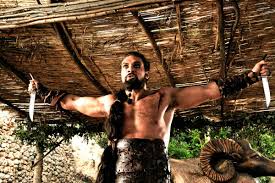
Sementara itu, Dothraki diciptakan oleh David J. Peterson pada 2009 untuk serial HBO Game of Thrones, berdasarkan sedikit kosakata yang ada dalam novel George R.R. Martin. Sebagai bahasa suku nomaden yang kasar dan pragmatis, Dothraki menekankan kosakata terkait kuda, perang, dan alam, dengan fonologi yang kaya vokal dan konsonan yang kuat. Peterson membangun tata bahasa lengkap dengan lebih dari 3.000 kata, memastikan konsistensi dengan visi Martin. Berbeda dengan Esperanto yang netral atau Klingon yang alien, Dothraki dirancang untuk terdengar eksotis namun manusiawi, mendukung imersi penonton dalam dunia Westeros. Keberhasilan Dothraki menginspirasi penciptaan bahasa lain seperti High Valyrian, dan komunitas pembelajarnya terus berkembang meski tidak sebesar Klingon. Ketiga bahasa ini membuktikan bahwa bahasa buatan bukan sekadar rekayasa, melainkan instrumen powerful untuk perdamaian, hiburan, dan eksplorasi kreatif. Di era AI dan globalisasi, conlangs seperti Esperanto, Klingon, dan Dothraki menawarkan pelajaran berharga tentang fleksibilitas bahasa manusia serta potensi pelestarian dan inovasi linguistik di masa depan.
#esperanto
#klingon
#dothraki
#ikahentihu